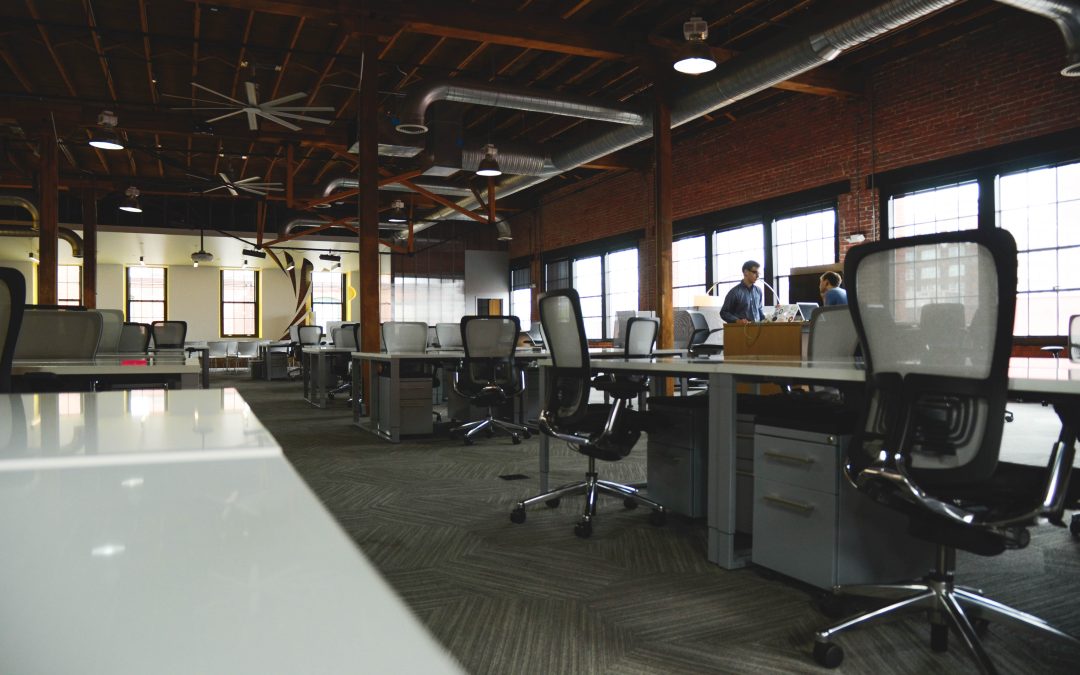
Lighting does far more than simply brighten an office—it shapes how the space is experienced, how employees feel, and how efficiently they work. The right lighting can enhance focus, boost mood, and support overall well-being, while poor lighting can create fatigue, strain, and a lackluster environment. In today’s modern workplaces, thoughtful lighting is a cornerstone of effective office interior design, helping offices not only look great but function efficiently.
From harnessing natural daylight to layering artificial solutions, the right strategy can completely transform an office into a space that is both functional and inspiring. But what makes a lighting plan truly effective? This blog explores practical lighting techniques, highlights their impact on productivity and atmosphere, and shows how the right choices can elevate any office interior. Read on to uncover lighting solutions that make a real difference.
Maximizing Natural Light for a Healthier Workspace
Natural light is one of the most valuable assets in any office environment, offering both visual and health benefits. It helps regulate circadian rhythms, which can improve sleep quality and overall well-being for employees. Offices that maximize daylight often feel more open, welcoming, and energizing throughout the day.
Strategic placement of workstations near windows ensures that more employees can benefit from this resource. Glass partitions and open layouts can also help distribute sunlight deeper into the workspace without obstruction. In commercial office design, incorporating natural light reduces the need for excessive artificial lighting, which can lower energy costs. By prioritizing daylight, businesses create a more vibrant and productive atmosphere that supports long-term performance.
Layering Lighting for Function and Flexibility
A well-designed office rarely relies on a single light source, and layering is key to achieving balance. This approach combines ambient, task, and accent lighting to meet different needs within the same space. Ambient lighting provides general illumination, ensuring the entire office is evenly lit without harsh shadows. Task lighting, such as desk lamps or under-cabinet lights, focuses on specific work areas where precision is required. Accent lighting highlights architectural features, artwork, or branded elements, adding depth and visual interest.
Together, these layers create a dynamic environment that can adapt to various tasks and preferences. In commercial office design, layered lighting ensures that every corner of the office is both functional and visually appealing.
Choosing the Right Color Temperature for Productivity
Color temperature has a significant impact on how people feel and perform in a workspace. Measured in Kelvins, it ranges from warm tones to cool, daylight-like hues. Cooler temperatures, typically around 4000K to 5000K, are often ideal for task-oriented areas because they promote alertness and concentration.
Warmer tones, on the other hand, can create a relaxed atmosphere in break rooms or collaborative spaces. Selecting the right balance ensures that each zone within the office supports its intended purpose. In commercial office design, thoughtful use of color temperature can enhance comfort while reducing eye strain. When done correctly, it creates a cohesive environment that feels both functional and inviting.
Incorporating Smart Lighting Technology
Smart lighting systems are becoming increasingly popular in modern office environments for their efficiency and adaptability. These systems allow users to control brightness, color temperature, and even scheduling through automated settings or mobile apps. Motion sensors can reduce energy waste by turning lights off when spaces are unoccupied.
Daylight sensors adjust artificial lighting levels based on the amount of natural light available. This not only saves energy but also maintains consistent lighting throughout the day. In commercial office design, smart lighting contributes to sustainability goals while improving user experience. By integrating technology, offices become more responsive, efficient, and aligned with modern work habits.
Enhancing Aesthetics with Accent and Decorative Lighting
Lighting is not just functional; it also plays a major role in defining the visual identity of an office. Accent and decorative lighting can highlight architectural features, textures, and design elements that might otherwise go unnoticed. Statement fixtures, such as pendant lights or chandeliers, can serve as focal points in reception areas or meeting rooms.
Subtle LED strips can add depth to shelving, walls, or workstations, creating a polished and modern look. These elements help reinforce brand identity and create a memorable experience for both employees and visitors. In commercial office design, aesthetics are just as important as functionality when it comes to lighting. By blending style with purpose, offices can achieve a cohesive and visually engaging environment.
Reducing Glare and Eye Strain for Comfort
Comfort is essential in any office setting, and lighting plays a big role in preventing discomfort. Glare from overly bright or poorly positioned lights can cause eye strain, headaches, and reduced productivity. Using diffusers, proper fixture placement, and adjustable lighting can help minimize these issues. Positioning computer screens perpendicular to windows can also reduce glare from natural light.
Additionally, selecting fixtures with appropriate brightness levels ensures that lighting is effective without being overwhelming. In commercial office design, prioritizing visual comfort helps create a healthier and more supportive work environment. When employees feel comfortable, they are more likely to stay focused and perform at their best.
Creating Adaptable Lighting for Different Work Zones
Modern offices often include a variety of spaces, from quiet focus areas to collaborative zones and relaxation spots. Each of these areas requires a different lighting approach to support its function. Bright, focused lighting works best in task-oriented zones where concentration is key. Softer, warmer lighting can make lounges and breakout areas feel more inviting and comfortable.
Adjustable lighting solutions allow spaces to be easily reconfigured as needs change. This flexibility is especially important in dynamic work environments where activities vary throughout the day. In commercial office design, adaptable lighting ensures that every space serves its purpose effectively. By tailoring lighting to each zone, offices can create a more versatile and user-friendly environment.
Lighting Ideas That Make a Difference
Effective lighting is more than a finishing touch—it’s a key element in creating a productive and visually engaging workspace. By maximizing natural light, reducing glare, and integrating smart lighting solutions, you can significantly enhance comfort, efficiency, and overall office performance while supporting employee well-being, focus, and daily workflow. A well-planned lighting strategy also contributes to a more professional atmosphere and can positively influence how clients and employees experience the space.
If you’re ready to transform your workspace into a brighter, more functional, and more inspiring environment, contact our design team at Eileen Gould Design and Construction to discuss your project and learn what lighting designs align with your goals, improve usability, and elevate your overall office design.
Frequently Asked Questions
How does lighting influence commercial office design aesthetics?
Lighting can highlight architectural features, textures, and color schemes, bringing depth and visual interest to the office. Thoughtful placement of lights helps create a cohesive, stylish, and professional look throughout the workspace.
What lighting techniques can enhance the overall design of an office?
Layered lighting, accent lighting, and statement fixtures can transform a standard office into a visually appealing environment. Using a mix of ambient, task, and decorative lighting ensures every space is both functional and beautifully designed.
How can lighting reflect a company’s brand or culture?
Accent lights and feature fixtures can showcase branded colors, textures, or signature design elements. Proper lighting helps reinforce a company’s identity while creating a memorable and inspiring environment for employees and visitors.
What role does natural light play in office design?
Natural light enhances openness, warmth, and a sense of connection to the outdoors. Integrating daylight with design elements like glass walls or open layouts can make the office feel modern, airy, and inviting.
Can lighting make small or challenging office spaces look better?
Yes—strategic use of light can make compact or irregular spaces feel larger and more welcoming. Reflective surfaces, well-placed accent lighting, and layered designs can dramatically improve the visual flow and overall design of any office.